Discovering the Advantages of Virtual Therapy in Modern Mental Healthcare
The rise of virtual therapy notes a significant shift in psychological health and wellness treatment. It provides enhanced availability, permitting people from diverse histories to seek aid without geographical constraints. Adaptability in organizing fits differing lifestyles, while the convenience of home can cultivate visibility. Nonetheless, the implications of these adjustments extend beyond plain ease. The evolving landscape of therapy raises crucial inquiries concerning its long-lasting effects on patient engagement and treatment results.
Improved Availability for All
Although conventional therapy typically presents barriers such as geographical area and scheduling disputes, virtual therapy greatly boosts availability for individuals looking for psychological health support. By eliminating the requirement for physical traveling, virtual therapy permits customers from remote areas or those with wheelchair challenges to get in touch with certified specialists. This setting of therapy can get to underserved populaces that may do not have local psychological health and wellness resources, thereby addressing differences in accessibility to care. Additionally, virtual platforms can deal with diverse needs, using services in several languages and accommodating different social histories. Customers can engage with a more comprehensive variety of experts, offering them with alternatives that align with their particular requirements and choices. This boosted ease of access promotes a much more inclusive environment, allowing individuals to seek assistance without the stigma usually associated with in-person gos to. On the whole, virtual therapy represents a significant development in making mental healthcare more available to all.
Versatility in Organizing Procedure

As virtual therapy continues to gain grip, its inherent versatility in scheduling sessions confirms to be a significant advantage for several people. Unlike typical in-person therapy, virtual therapy permits customers to select session times that ideal fit their personal and professional dedications. This adaptability accommodates those with demanding work routines, family obligations, or various other dedications that can make attending physical consultations testing.
Additionally, clients can quickly reschedule or adjust their sessions as needed, lowering the stress and anxiety connected with rigid consultation systems. The availability of various time ports throughout the week, consisting of evenings and weekends, further enhances ease of access. This adaptability not just urges consistency present but additionally cultivates a higher dedication to the restorative process. Inevitably, the flexibility in scheduling sessions represents a transformative shift in mental wellness treatment, empowering individuals to prioritize their well-being without compromising various other elements of their lives.
Convenience of a Familiar Atmosphere
The convenience of an acquainted environment significantly improves the effectiveness of virtual therapy for several clients. Taking part in therapy from the safety and security of their own homes allows individuals to really feel even more at simplicity, lowering anxiety that might go along with typical in-person sessions. This familiarity can help with open interaction, allowing clients to share their thoughts and sensations much more openly.
The existence of personal products and the capacity to control their environments can add to a sense of protection and relaxation. Clients often report that remaining in a comfy space enables them to concentrate a lot more on the healing procedure as opposed to the setting itself.
Furthermore, the casual nature of virtual sessions can assist dissolve barriers that might exist in a typical office atmosphere, promoting a deeper connection with therapists. On the whole, the convenience of familiar environments plays a crucial role in enhancing the restorative experience and efficiency for many people seeking mental health and wellness assistance.
Bigger Array of Restorative Alternatives
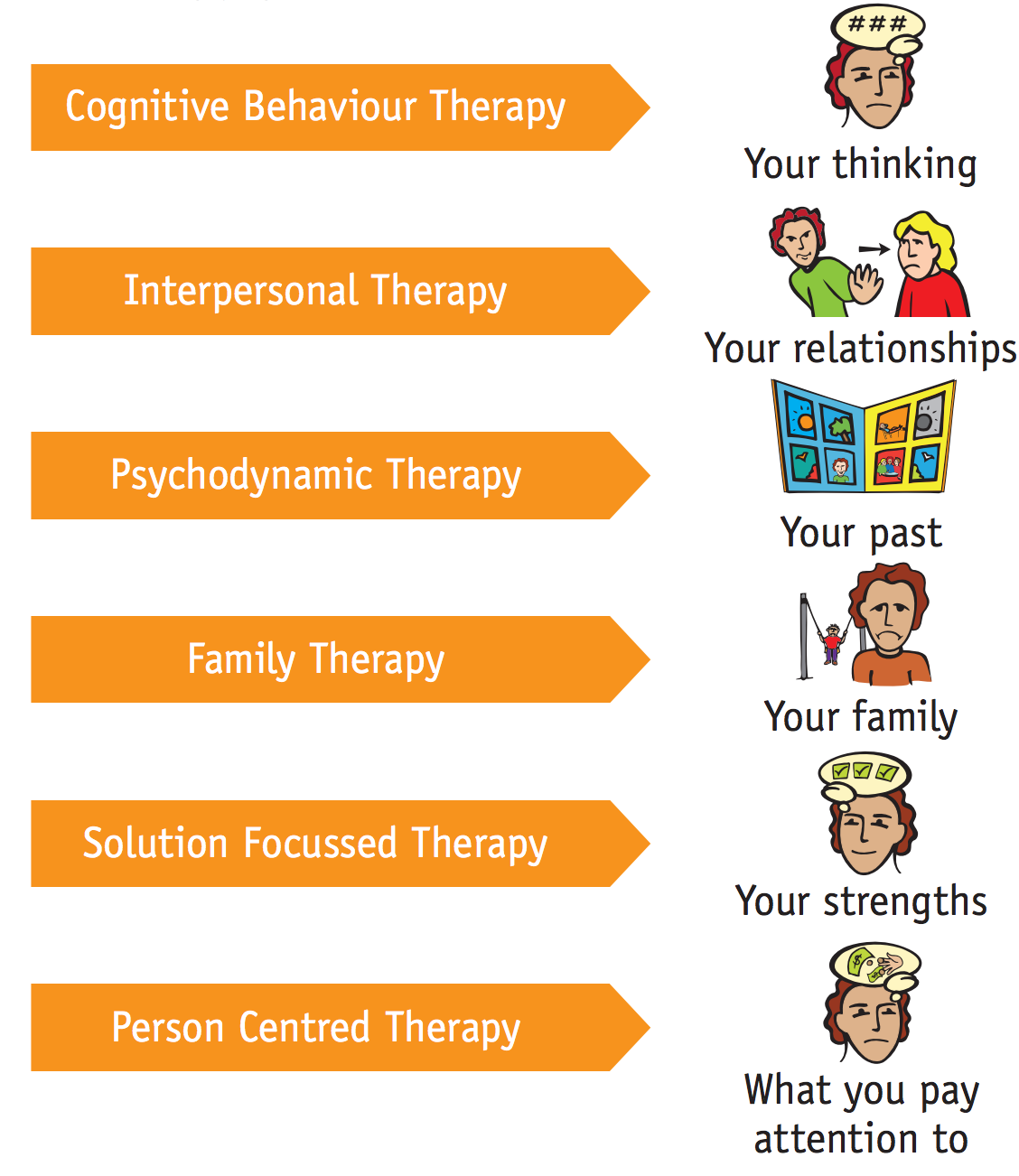
A wider variety of restorative alternatives appears with virtual therapy, enabling customers to gain access to different methods that may not be viable in typical setups. This adaptability enables people to discover varied strategies such as cognitive-behavioral therapy, mindfulness techniques, art therapy, and also specialized treatments like trauma-informed care or dialectical actions therapy.
Clients can select from a wider spectrum of therapists, consisting of those who specialize in specific niche areas or specific populaces, improving the probability of discovering an appropriate match. Virtual platforms usually provide access to group therapy sessions, assistance areas, and workshops that might be geographically inaccessible otherwise.
This variety encourages customers to engage in their healing process according to their one-of-a-kind choices and demands, possibly raising motivation and commitment to therapy. Because of this, the landscape of psychological wellness care ends up being much more inclusive and adaptable, dealing with a larger range of specific experiences and difficulties.
Reduced Stigma Surrounding Therapy
Accessing therapy via virtual platforms adds to a substantial decrease in the preconception generally related to psychological healthcare. By offering a very discreet and private setting, virtual therapy allows people to seek aid without the worry of being evaluated or identified. This privacy allures to those that may otherwise hesitate to pursue in-person therapy as a result of societal assumptions bordering mental wellness.
As the occurrence of virtual therapy increases, it normalizes the conversation around mental wellness, making it a more acceptable component of everyday life. Individuals frequently feel much more comfortable reviewing their experiences online, promoting openness and decreasing feelings of isolation. The accessibility of these solutions additionally urges a more comprehensive group to involve with psychological wellness sources, cultivating a society of assistance as opposed to shame. Ultimately, the rise of virtual therapy plays a vital role in improving perspectives in the direction of looking for assistance, adding to a much more accepting society regarding mental wellness obstacles.
Cost-Effectiveness and Affordability

Minimized Session Prices
Several individuals seeking mental health and wellness support discover that virtual therapy considerably minimizes session prices contrasted to typical in-person alternatives. The removal of traveling expenditures and pause job usually adds to total financial savings. In addition, lots of virtual specialists use affordable prices because of lower overhead expenses related to preserving a physical office. This shift in expense enables clients to gain access to high quality mental health solutions without the monetary strain that may come with standard therapy. For lots of, this cost enables more constant sessions, which can boost therapy outcomes. Because of this, virtual therapy not just democratizes accessibility to psychological healthcare but also gives a lasting financial model that straightens with customers' spending plans, making psychological wellness support extra achievable for a wider target market.
Expanded Access Choices
While standard therapy usually offers logistical obstacles, virtual therapy considerably expands accessibility options for individuals seeking psychological health and wellness care. By removing the demand for traveling and allowing adaptable scheduling, virtual therapy suits varied lifestyles and dedications. This ease of access is particularly advantageous for those in remote locations or with wheelchair obstacles. In addition, the cost-effectiveness of virtual therapy reduces financial stress, making mental health solutions much more reachable. Several platforms provide tiered rates or moving range costs, advertising affordability. Insurance companies significantly acknowledge virtual therapy, more improving its economic access. Generally, virtual therapy not just widens the extent of that can obtain care however likewise addresses financial obstacles, making mental health and wellness assistance more comprehensive and obtainable for all.
Improved Continuity of Care
Improved continuity of treatment arises as a substantial advantage of virtual therapy in contemporary psychological healthcare. This approach permits clients to maintain regular interaction with their specialists, no matter of geographical obstacles or organizing disputes. couples counselling. The adaptability of virtual sessions fosters regular check-ins, which are important for keeping an eye on development and adjusting therapy prepares as required
Furthermore, digital wellness documents and telehealth platforms help with smooth information sharing among treatment carriers. This interconnectedness ensures that all specialists associated with a patient's treatment are updated on treatment advancements, bring about more collaborated and reliable treatments.
Clients commonly experience decreased anxiety and increased involvement as a result of the convenience of accessing therapy from familiar environments. Such access improves my blog adherence to therapy routines, inevitably improving results - adhd counselling. To summarize, virtual therapy not only bridges spaces in mental health services yet likewise strengthens the continuity of treatment, a crucial component of effective healing connections
Often Asked Inquiries
Just How Does Virtual Therapy Ensure Privacy and Personal Privacy for Clients?
The existing concern addresses the procedures virtual therapy uses to protect customer confidentiality. Making use of encrypted More Info systems, secure logins, and conformity with regulations like HIPAA, virtual therapy assurances that delicate details stays personal and inaccessible to unauthorized individuals.
Can I Switch Over Therapists Quickly in Virtual Therapy?
Switching over specialists in virtual therapy is usually straightforward. Customers can communicate their desire for an adjustment via the platform, permitting adaptability in finding a much better suit without the logistical challenges of in-person visits.
What Innovation Do I Need for Virtual Therapy Sessions?
To take part in virtual therapy sessions, a private generally needs a reliable internet connection, a computer system or smart device with a camera and microphone, and access to a protected video clip conferencing system specified by their specialist.
Are Virtual Therapy Sessions as Effective as In-Person Sessions?
Recent studies suggest that virtual therapy sessions can be equally effective as in-person sessions, relying on the individual's choices and scenarios. Aspects such as comfort and access may boost the general restorative experience for some customers.
What Should I Do if I Experience Technical Issues Throughout a Session?
If technological issues emerge during a session, one must calmly interact the issue to the find therapist, attempt to reconnect, or button to a back-up technique. Persistence and adaptability are necessary in managing these interruptions.
Comments on “The Positive Outcomes of couples counselling for Newlyweds”